What is Percentage Impedance?
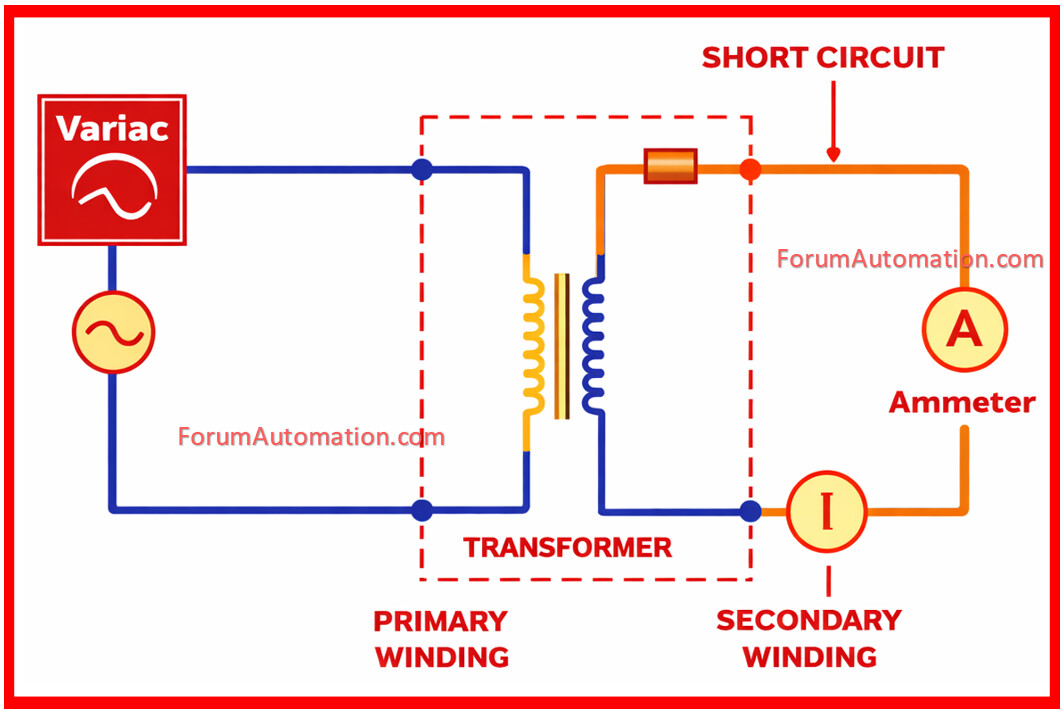
Percentage Impedance (%Z) is the percentage of rated voltage required to circulate rated full load current (FLC) in a transformer when the secondary winding is short circuited.
Percentage impedance is the ratio of the short circuit voltage (required to produce full-load current) to the rated voltage expressed as a percentage.
Where
VRated - Rated voltage of the transformer
It is denoted as %Z
Where
Z represents the total internal impedance (winding resistance + leakage reactance
Why Percentage Impedance is Important?
Percentage impedance directly affects:
Short Circuit Current
High %Z → Lower short circuit current
Low %Z → Higher short circuit current
Voltage Regulation
High %Z → Higher voltage drop → Poor voltage regulation
Low %Z → Lower voltage drop → Better voltage regulation
Application in Power System Design
Percentage impedance serves as a essential design parameter in the electrical system engineering.
It enables engineers to calculate the maximum potential fault current and select switchgear with the appropriate interrupting capacity.
By establishing the maximum fault current magnitude percentage impedance ensures that protection devices can safely interrupt fault conditions without damage (or) hazard thereby maintaining system reliability and safety.
You can also follow us on AutomationForum.co, Facebook and Linkedin to receive daily Instrumentation updates.
You can also follow us on ForumElectrical.com , Facebook and Linkedin to receive daily Electrical updates.