Failure to periodically test a circuit breaker can have major safety, operational and financial ramifications.
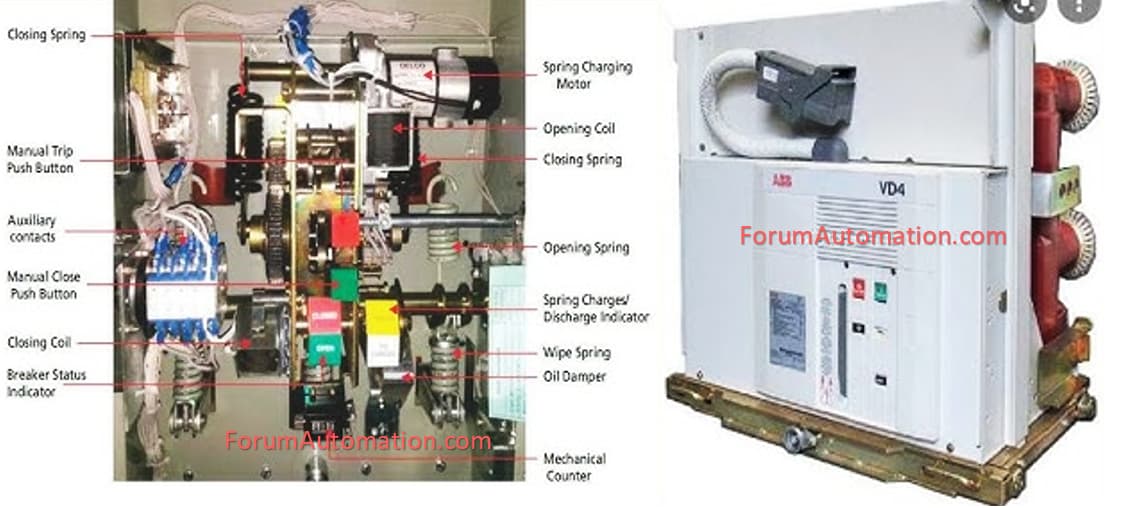
The primary drawbacks include:
Defective breakers that fail to trip during fault or overload conditions can lead to excessive heating of conductors & components increasing the danger of electrical fires.
Damage to Electrical Equipment
Malfunctioning breakers can cause electrical equipment to fail prematurely or permanently.
Risk of Personal Injury
Faulty breakers pose a risk of personal injury by failing to isolate electricity under fault conditions leading to electric shock & arc-flash risks.
Unplanned Power Outages
Unpredictable or improperly reset breakers can cause unplanned power outages disrupting businesses and reducing productivity.
Higher Maintenance and Repair Costs
Undetected breaker problems can lead to costly repairs, equipment replacement & prolonged downtime.
Regular circuit breaker testing is required to maintain electrical safety, system reliability and the safety of both equipment and personnel.
International Standards for Circuit Breaker Testing
-
IEC 62271-100: High-voltage AC circuit breakers.
-
IEC 62271-110: High voltage DC circuit breakers
-
IEC 60947-2: Low-voltage circuit breakers.