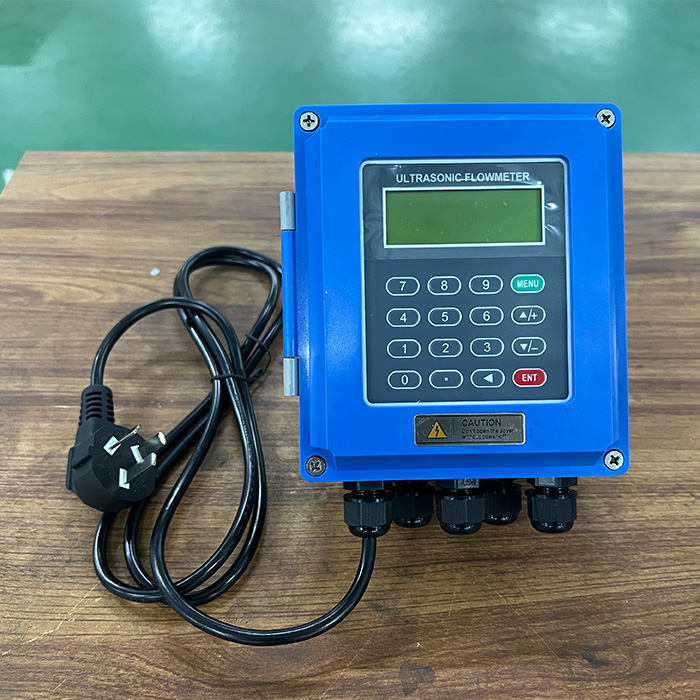
Advantages of ultrasonic flow meter for Gas flow measurement
1.High Accuracy
2.Approved for custody transfer
3.High turndown/rangeability measure low and high pressure
4.Repeatable
5.Can clamp on pipe with no penetration
6.Tolerate extreme temperature
7.Long term reliability
8.No moving parts to replace or lubricate.So low maintenance cost
Disadvantages of ultrasonic flow meter for gas flow measurement
1.High initial cost
2.Dirt and fluid impact performance and measurement accuracy
3.Noise even beyond human hearing range interfere with ultrasonic signals for clamp-on meter
4.Pipe walls can interfere with ultrasonic signals for clamp-on meter.
5.Build-up on the inside pipe walls can reduce inside diameter of pipe and affect measurement accuracy
Non-Intrusive:
Ultrasonic flowmeters use a non-contact measurement method and do not require direct contact with the fluid. They introduce no flow resistance and do not affect the fluid’s properties.
High Accuracy:
Ultrasonic flowmeters offer high measurement accuracy and stability, enabling precise measurement across a wide range of fluid types and flow velocities.
Wide Applicability:
They are suitable for flow measurement of various media, pipe diameters, and flow ranges, providing strong versatility.
Good Reliability:
With long-term stable performance and a reliable service life, ultrasonic flowmeters are well suited for continuous operation and applications requiring high stability.
No Moving Parts:
Since there are no mechanical moving components, maintenance costs are low, and the meters are less susceptible to corrosion and wear.
No Pressure Loss:
The fluid passes through without any additional pressure drop, helping to save energy and prevent fluid loss.
Limited by Medium Characteristics:
For media containing large amounts of air bubbles or suspended particles, ultrasonic signals can be significantly attenuated, leading to distorted measurement results. When measuring gases, very high stability of temperature and pressure is required.
Strict Installation Requirements:
Scale buildup or corrosion on the inner pipe wall can affect signal transmission. Strong electromagnetic interference near the pipeline can also reduce measurement accuracy, making additional shielding measures necessary.
Poor Adaptability to Low-Temperature Conditions:
In extremely low-temperature environments, the ultrasonic emission efficiency of the sensor decreases, and both the measurement range and accuracy may be affected to varying degrees.