How to troubleshoot Electrical Faults safely and systematically?
Electrical fault troubleshooting should always follow a systematic and safety focused troubleshooting method.
A structured method helps identify faults faster, reduces downtime and prevents accidents (or) equipment damage.
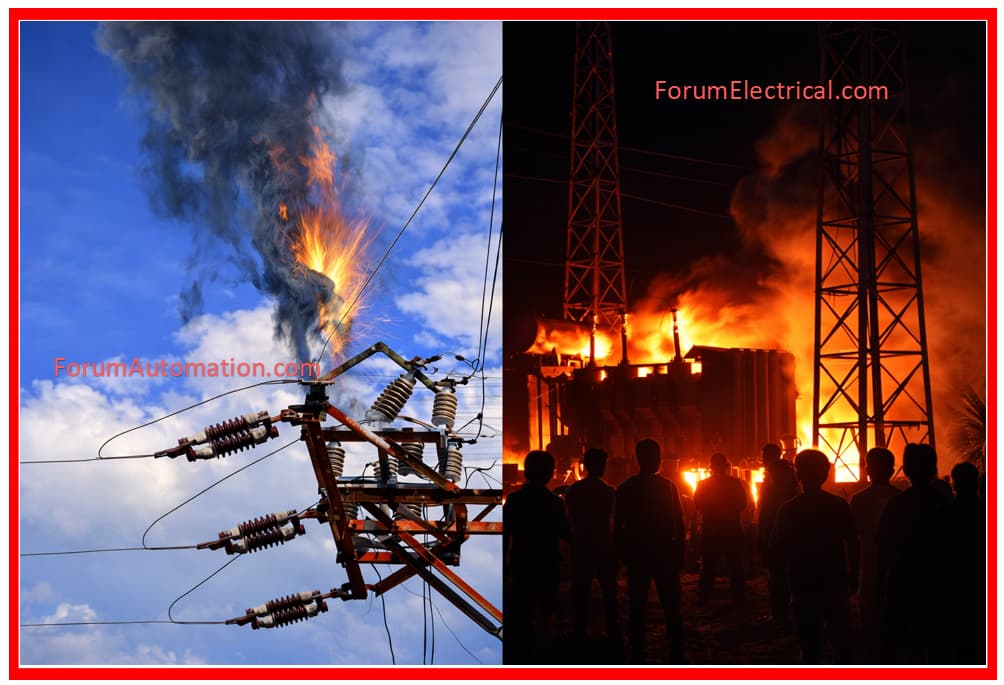
Safety First
Always switch OFF the power before starting work.
Use insulated gloves, safety shoes and proper testing tools such as a
- Multimeter ,
- Tester screwdriver and
- Clamp meter.
If unsure, stop and reassess the situation.
Identify the Problem
Check what is not working: lights, sockets, network devices (or) panels.
Note when the fault started and whether it is continuous (or) intermittent.
Visual Inspection
Inspect for burn marks, loose connections, melted insulation (or) unusual smells.
Confirm breakers and switches are in the correct position.
Fault Isolation
Switch OFF all loads and restore power step by step.
Observe when the fault reappears to locate the affected circuit (or) equipment.
Testing & Measurement
Measure voltage, continuity and resistance using a multimeter.
Use an insulation resistance tester (IR Tester – Megger) if breakers trip (or) leakage is suspected.
Find the Root Cause
Common causes include short circuits, overloads, earth leakage and loose (or) overheated connections.
Rectification
Tighten terminals, replace damaged cables and change faulty components with correct ratings.
Retest & Restore
Recheck the system thoroughly and restore power gradually to ensure a safe and stable operation.
You can also follow us on AutomationForum.co, Facebook and Linkedin to receive daily Instrumentation updates.
You can also follow us on ForumElectrical.com , Facebook and Linkedin to receive daily Electrical updates.